
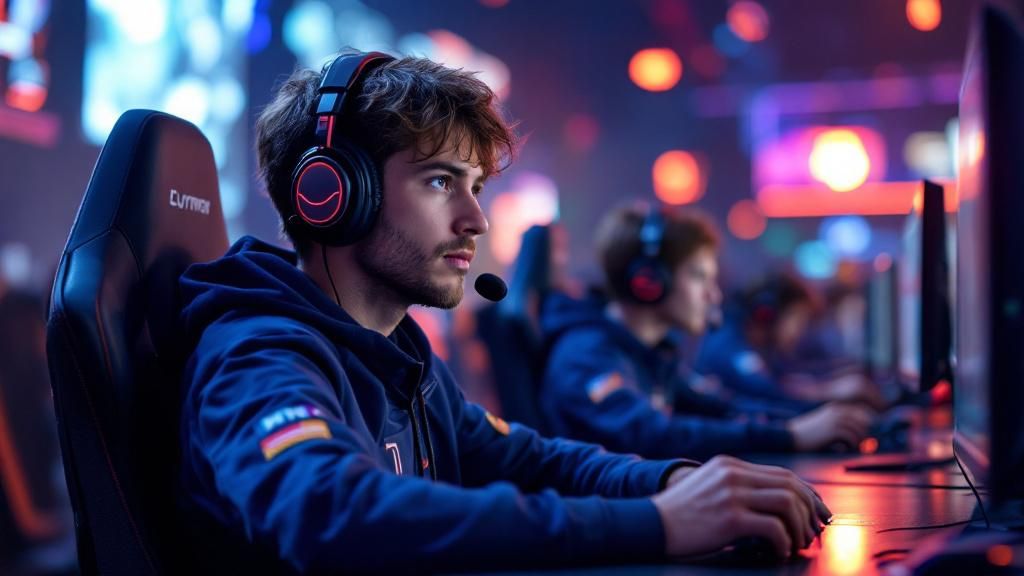
The esports industry has made considerable progress in championing competitor wellbeing. Major tournament organisers have jointly unveiled a comprehensive player welfare standards framework, tackling longstanding concerns about mental health, working conditions, and fair treatment within professional gaming. This significant undertaking constitutes a critical juncture for esports legitimacy, establishing baseline protections that could fundamentally alter how the industry operates. We examine the framework’s central components, the entities leading this transformation, and what it means for players and the competitive gaming landscape in the future.
Comprehensive Industry Pledge to Player Health
The coordinated partnership between prominent esports bodies marks a watershed moment for competitor welfare within esports competition. This integrated system demonstrates the industry’s genuine commitment to establishing sustainable standards that emphasise player health alongside sporting achievement. By combining knowledge and capabilities, these organisations have established thorough standards addressing physical health, emotional health, and workplace protection. The programme demonstrates increasing awareness that competitor health substantially impacts competitive performance and professional lifespan, making it essential for the sport’s credibility and growth.
Tournament administrators have confirmed that past requirements were disjointed and variable, putting athletes at risk of abuse and fatigue. The new framework standardises expectations among principal events, making certain each professional player gets fair consideration and access to essential support services. This coordinated approach eradicates unequal conditions arising from varying welfare provisions and creates equal opportunities. Industry figures emphasise that these standards represent minimum requirements, encouraging organisations to surpass fundamental requirements and build authentically nurturing spaces where players can thrive in career and personal development.
Key Aspects of the Social Support Framework
The newly formed welfare framework comprises several interconnected pillars intended to safeguard player welfare completely. These provisions address mental health support, physical health, equitable employment terms, and clear dispute handling procedures. By combining these components, tournament administrators seek to create a holistic approach that acknowledges esports athletes as professional athletes deserving strong safeguards. The framework establishes baseline requirements that all associated competitions need to establish, providing consistent player safeguards across the professional gaming environment.
Mental Wellbeing Assistance Programmes
Acknowledging the psychological pressures inherent in professional esports, the framework requires availability of qualified psychologists for every competing player. Tournament operators should offer confidential counselling services, via direct provision or partnerships with qualified mental health providers. This provision covers stress management, support for performance-related anxiety, and emergency intervention services. Players receive access to trained psychologists who understand esports-specific challenges, such as online harassment, high-level competitive stress, and career uncertainty.
The framework further requires tournaments to establish mental health awareness programmes and stigma-reduction efforts within the community. Organisers must train players, coaches, and staff about recognising mental health concerns and obtaining suitable assistance. Periodic reviews and wellbeing tracking mechanisms help spot struggling players at an early stage, allowing early action before situations develop into critical psychological situations.
Physical Wellness Requirements
Tournament coordinators must implement thorough health and safety standards tackling ergonomics, recovery intervals, and medical oversight. The framework requires correct seating arrangements, display positioning, and breaks to minimise overuse injuries prevalent in esports professionals. Medical staff must attend at major tournaments to handle immediate medical concerns, whilst organisers are required to offer guidance about injury prevention and proper healthcare support for long-term player development.
Environmental circumstances at tournament venues are now covered under strict requirements guaranteeing player wellbeing and safety. Regulations encompass temperature control, lighting standards, and noise levels to establish optimal performance conditions. Additionally, the framework promotes players to undergo routine medical evaluations and offers guidance on nutrition, sleep hygiene, and exercise routines crucial for sustained professional performance in esports.
- Workplace gear evaluations conducted by qualified specialists
- Required breaks between matches reducing player exhaustion
- Medical personnel on location present during all tournament proceedings
- Injury reduction training and rehabilitation service availability
- Health monitoring programmes tracking player wellbeing throughout seasons
Implementation Timeline and Standards
The framework will be implemented in three separate phases, commencing immediately with initial evaluations across participating organisations. Tournament operators have committed to completing first audits of their present procedures by the first quarter deadline, pinpointing differences between present frameworks and the revised guidelines. This initial stage ensures a comprehensive assessment of each organisation’s starting point before making material alterations. Later stages will include employee development, guideline amendments, and the implementation of autonomous monitoring systems to ensure adherence and responsibility throughout the esports ecosystem.
The standards themselves include mandatory provisions covering mental health support, reasonable practice schedules, and transparent prize distribution protocols. Each organisation should establish a specialist player welfare representative accountable for managing grievances and ensuring adherence to guidelines. Routine inspections, performed by third-party bodies, will verify compliance and highlight zones for development. These comprehensive measures set defined targets for player safeguarding, with enforcement mechanisms including pecuniary fines and potential tournament sanctions for organisations failing to meet required standards.
Industry Reaction and Outlook Ahead
The initiative has attracted considerable endorsement from participants throughout the professional esports landscape. Players’ associations have endorsed the guidelines as a necessary step towards advancing the professional standards of the industry, whilst team owners and commercial partners recognise the potential for enhanced credibility and long-term viability. Hardware producers and content distribution networks have pledged to embed safeguarding measures into their business practices, reflecting a unified resolve to systemic change. Early indications indicate that oversight organisations and government officials regard the guidelines favourably, conceivably facilitating statutory acknowledgement of competitive gaming as a recognised professional industry.
Looking ahead, sector analysts predict that this framework will function as a template for global adoption, with regional tournaments and grassroots events expected to adopt similar guidelines. The initiative is expected to inspire ongoing discussion regarding athlete remuneration, professional progression routes, and mental health resources. As esports undergoes meteoric growth, these welfare standards constitute a vital protection mechanism guaranteeing that competitive gaming remains viable, welcoming, and considerate for all participants, ultimately strengthening the industry’s standing as a legitimate competitive sector.
