
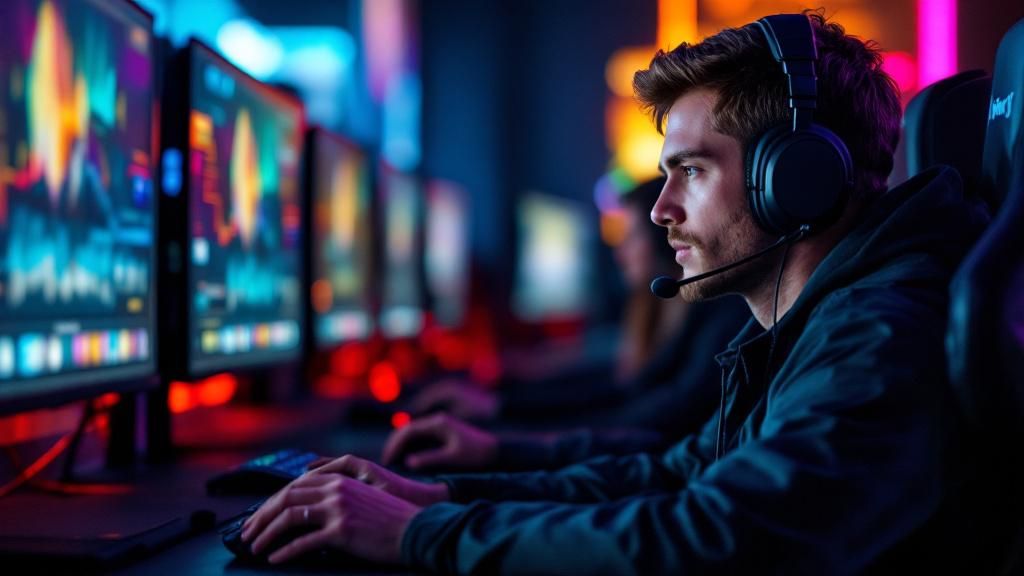
The professional gaming industry has witnessed a significant transformation, with elite esports organisations now prioritising mental health support as to an unprecedented degree. Recognising that competitive strain, exhausting timetables, and relentless pressure can create substantial emotional impact, leading teams are allocating considerable investment into thorough support systems. From dedicated sports psychologists to counselling services and stress management workshops, these initiatives demonstrate a core change in how the industry addresses competitor welfare, dismantling persistent taboos and creating improved expectations for player support.
The Growing Importance of Mental Health in Esports
The esports landscape has undergone a profound shift in recent years, with psychological wellbeing emerging as a key priority for top-tier teams. As competitive esports continues to grow exponentially, the mental pressures imposed on players have grown more evident. Leading organisations now recognise that sustained performance demands robust mental wellbeing support, going past conventional fitness regimens to address the mental and emotional pressures central to high-stakes competition.
This transformation shows a more expansive cultural change within the sector, where recognising mental wellbeing concerns is no more regarded a shortcoming but instead an vital aspect of professional excellence. Players encounter constant pressure from competitive events, sponsorship requirements, and public examination, often whilst sustaining arduous training schedules. By placing emphasis on mental wellbeing services, forward-looking bodies are not only protecting their players’ overall wellbeing but additionally boosting organisational performance and cultivating healthier and more enduring careers across the esports sector.
Comprehensive Assistance Frameworks and Offerings
Professional competitive gaming groups have created multifaceted support systems that extend far beyond standard sports psychology. Many teams now retain full-time mental health professionals, including qualified therapists, psychiatrists, and fitness and wellness coaches who work directly with players across the competitive season. These specialists deliver personalised counselling sessions, cognitive behaviour therapy, and personalised stress management techniques adapted for each player’s specific needs and situations.
Beyond individual therapy, major esports companies have implemented extensive wellbeing initiatives encompassing meditation sessions, dietary advice, exercise programmes, and sleep optimisation strategies. Teams understand that mental wellbeing assistance demands a comprehensive strategy, combining physical wellbeing with therapeutic support. Additionally, many organisations provide support networks, group bonding initiatives, and training sessions addressing burnout management, anxiety reduction, and healthy coping mechanisms, fostering a culture where seeking help is treated as standard practice and encouraged.
Challenges and Future Developments
Despite substantial progress, professional gaming teams still encounter considerable obstacles in establishing extensive mental health support. Many smaller-scale organisations do not have the monetary means to hire full-time psychologists or counsellors, creating disparities in standard of care across the industry. Additionally, some players remain reluctant to pursue assistance due to persistent stigma within gaming culture, whilst others contend with privacy concerns regarding confidential mental health information. These barriers necessitate continued advocacy and sector-wide standards to secure fair access to support services for all competitive players.
The emerging landscape of psychological support services in esports appears increasingly promising, with new technological advances delivering cutting-edge approaches. Virtual reality therapy, artificial intelligence-driven psychological wellbeing tools, and digital support networks are broadening access past conventional therapy approaches. Additionally, educational initiatives focused on emerging talent seek to establish mental health conversations from the outset of their careers. As the sector develops, establishing formal certifications for esports psychologists and creating research-backed best practices will probably establish themselves as industry standards, strengthening the overall framework for player wellbeing.
Going forward, partnership among gaming organisations, mental health professionals, and regulatory bodies will prove essential for sustainable progress. Funding for longitudinal research investigating the effectiveness of existing programmes will shape upcoming initiatives. Furthermore, encouraging transparent communication among players, coaches, and management teams can establish nurturing settings where mental health concerns are tackled in advance rather than reactively. In the end, placing mental health first alongside competitive excellence will position esports as a truly forward-thinking industry that champions holistic athlete development.
